Kategorien, die mit "dna amplification" Suche übereinstimmen:
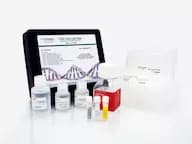
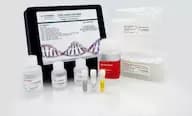
E. coli DNA Amplification Kit in Tubes
The kit is for use in determining the presence of host cell DNA impurities (to 1 part per billion) in products manufactured by recombinant expression in E. coli. It contains reagents for DNA extraction as well as calibrated DNA standards and primers for DNA amplification in a microtube format, but it does not contain PCR master mix. This kit allows you to test samples with very high concentrations of drug substance without the need for excessive sample dilutions, which effectively lowers the LLOQ of the assay when compared to similar methods.CHO DNA Amplification Kit in Tubes
The kit is for use in determining the presence of host cell DNA impurities (to 1 part per billion) in products manufactured by recombinant expression in CHO cell lines. It contains reagents for DNA extraction as well as calibrated DNA standards and primers for DNA amplification in a microtube format, but it does not contain PCR master mix. This kit allows you to test samples with very high concentrations of drug substance without the need for excessive sample dilutions, which effectively lowers the LLOQ of the assay when compared to similar methods.CHO DNA Amplification Kit in Wells
The kit is for use in determining the presence of host cell DNA impurities (to 1 part per billion) in products manufactured by recombinant expression in CHO cell lines. It contains reagents for DNA extraction as well as calibrated DNA standards and primers for DNA amplification in a microplate format, but it does not contain PCR master mix. This kit allows you to test samples with very high concentrations of drug substance without the need for excessive sample dilutions, which effectively lowers the LLOQ of the assay when compared to similar methods.E. coli DNA Amplification Kit in Wells
The kit is for use in determining the presence of host cell DNA impurities (to 1 part per billion) in products manufactured by recombinant expression in E. coli. It contains reagents for DNA extraction as well as calibrated DNA standards and primers for DNA amplification in a microplate format, but it does not contain PCR master mix. This kit allows you to test samples with very high concentrations of drug substance without the need for excessive sample dilutions, which effectively lowers the LLOQ of the assay when compared to similar methods.HMGA2 rabbit pAb
This gene encodes a protein that belongs to the non-histone chromosomal high mobility group (HMG) protein family. HMG proteins function as architectural factors and are essential components of the enhancesome. This protein contains structural DNA-binding domains and may act as a transcriptional regulating factor. Identification of the deletion, amplification, and rearrangement of this gene that are associated with myxoid liposarcoma suggests a role in adipogenesis and mesenchymal differentiation. A gene knock out study of the mouse counterpart demonstrated that this gene is involved in diet-induced obesity. Alternate transcriptional splice variants, encoding different isoforms, have been characterized. [provided by RefSeq, Jul 2008],Betaine chloride
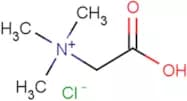
CAS:Betaine chloride (Betaine hydrochloride) gains the amplification of DNA by decreasing the formation of secondary structure in GC-rich regions.Formel:C5H12ClNO2Reinheit:99.98%Farbe und Form:White SolidMolekulargewicht:153.617-Deaza-dGTP tetralithium
7-Deaza-dGTP tetralithium is utilized for the amplification of GC-rich DNA sequences [1].Farbe und Form:Odour SolidXanthosine Dihydrate
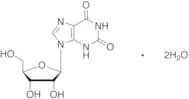
CAS:Applications The deamination product of Guanosine. Potential biomarker for detecting radiation exposure. Used in the amplification of DNA isothermal strand displacement.
References Magasanik, B, et al.: J. Bio. Chem., 206, 83 (1954).Formel:C10H12N4O6·2H2OFarbe und Form:NeatMolekulargewicht:320.256HLA-A*02:01 Polymerase (417-425)
HLA-A*02 is a class I major histocompatibility complex (MHC) allele which is part of the HLA-A group of human major histocompatibility complex (MHC) leukocyte antigens (HLA). HLA-A is a human MHC class I cell surface receptor and is involved in presenting short polypeptides to the immune system. These polypeptides are typically 7-11 amino acids in length and originate from proteins being expressed by the cell. Cytotoxic T cells in the blood "read" the peptide presented by the complex and should only bind to non-self peptides. If binding occurs, a series of events is initiated culminating in cell death via apoptosis. Hepatitis B virus (HBV) polymerase is a multifunctional enzyme that can use both RNA and DNA as a template for amplification and also has an RNase H function. First the polymerase acts on the HBV pre-genomic RNA (pgRNA) to reverse transcribe it to form the (-) DNA strand. Simultaneously the RNA template is degraded by the polymerases RNase H activity, except for a stretch of RNA at 5' end of the pgRNA which is used to prime the synthesis of the (+) DNA strand. This process results in a new partially double-stranded relaxed circular DNA molecule (rcDNA) within a new capsid.
Molekulargewicht:1,031.6 g/molHLA-A*02:01 Polymerase (400-408)
HLA-A*02 is a class I major histocompatibility complex (MHC) allele which is part of the HLA-A group of human major histocompatibility complex (MHC) leukocyte antigens (HLA). HLA-A is a human MHC class I cell surface receptor and is involved in presenting short polypeptides to the immune system. These polypeptides are typically 7-11 amino acids in length and originate from proteins being expressed by the cell. Cytotoxic T cells in the blood "read" the peptide presented by the complex and should only bind to non-self peptides. If binding occurs, a series of events is initiated culminating in cell death via apoptosis. Hepatitis B virus (HBV) polymerase is a multifunctional enzyme that can use both RNA and DNA as a template for amplification and also has an RNase H function. First the polymerase acts on the HBV pre-genomic RNA (pgRNA) to reverse transcribe it to form the (-) DNA strand. Simultaneously the RNA template is degraded by the polymerases RNase H activity, except for a stretch of RNA at 5' end of the pgRNA which is used to prime the synthesis of the (+) DNA strand. This process results in a new partially double-stranded relaxed circular DNA molecule (rcDNA) within a new capsid.
Molekulargewicht:1,014.6 g/mol5-Acetylamino-6-formylamino-3-methyluracil
CAS:5-Acetylamino-6-formylamino-3-methyluracil is an analysis method that can be used to determine the effectiveness of certain contraceptives. This drug has shown a potential to interact with other drugs, such as caffeine and amphetamines. It is also used to measure the enzyme activities of polymorphic human erythrocytes. 5-Acetylamino-6-formylamino-3-methyluracil is used in the preparation of blood samples for DNA sequencing and polymerase chain reaction (PCR) amplification. The concentration of intracellular calcium ions in humans has been shown to increase when this drug is administered, which leads to hyperproliferative diseases like cancer or HIV infection.Formel:C8H10N4O4Reinheit:(%) Min. 95%Farbe und Form:Slightly Yellow PowderMolekulargewicht:226.19 g/molCaroverine
CAS:Caroverine is an anti-inflammatory drug that belongs to the group of non-steroidal anti-inflammatory drugs. It is structurally related to the amino acid glutamate and has been shown to inhibit primary sclerosing cholangitis, a chronic inflammatory bowel disease. Caroverine has also been shown to be effective in the treatment of myocardial infarcts and analytical methods have been developed for its determination in plasma. The polymerase chain reaction (PCR) is a technique that can be used for the detection of caroverine in biological samples. This reaction is based on the amplification of DNA from a small amount of starting material and requires biocompatible polymers as primers. Caroverine can also cause side effects such as stomach pain, diarrhea, nausea, and vomiting.
Formel:C22H27N3O2Reinheit:Min. 95%Farbe und Form:White PowderMolekulargewicht:365.47 g/mol5(6)-Carboxyfluorescein - mixture
CAS:6-Carboxyfluorescein is a fluorescent dye widely used in PCR methodologies, it is used to label the 5' end of oligonucleotides as a reporter in the presence of a quencher at the 3' end (dual labelled probe). During the amplification process, the dye is cleaved, and the fluorescence increases proportionally with the amount of the specific sequence amplified during the PCR process. The development of the fluorescence signal is therefore specifically related to the amplification of the target sequence. It is used to tag DNA and RNA for in vivo and in vitro applications, as well as for structural studies and RNA-protein interactions.Formel:C21H12O7Reinheit:Min. 95%Farbe und Form:PowderMolekulargewicht:376.32 g/mol6-Carboxyfluorescein
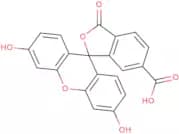
CAS:6-Carboxyfluorescein is a fluorescent dye widely used in PCR methodologies. It is used to label the 5â end of oligonucleotides as a reporter in the presence of a quencher at the 3â end (dual labelled probe). During amplification, the dye is cleaved, and the fluorescence increases proportionally with the amount of the specific sequence amplified during the PCR process. The development of the fluorescence signal is therefore specifically related to the amplification of the target sequence. It is used to tag DNA and RNA for in vivo and in vitro applications, as well as for structural studies and RNA-protein interactions. The carboxylic acid can be activated to react with a primary amine. It is a 5â-reporter used in RT-PCR for COVID-19 diagnosis by HKI; Institute Pasteur; Charité; CDC, USA; CDC, China; NIID and NIH, Thailand. (λex/λem: 495/517nm in DMSO or DMF at pH > 9.0).Formel:C21H12O7Reinheit:Min. 96 Area-%Farbe und Form:Red PowderMolekulargewicht:376.32 g/mol6-Carboxyfluorescein-N-hydroxysuccinimide ester
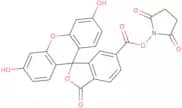
CAS:6-Carboxyfluorescein is a fluorescent dye widely used in PCR methodologies. It is used to label the 5â end of oligonucleotides as a reporter in the presence of a quencher at the 3â end (dual labelled probe). During amplification, the dye is cleaved, and the fluorescence increases proportionally with the amount of the specific sequence amplified during the PCR process. The development of the fluorescence signal is therefore specifically related to the amplification of the target sequence. It is used to tag DNA and RNA for in vivo and in vitro applications, as well as for structural studies and RNA-protein interactions. 6-Carboxyfluorescein that has NHS-activated carboxylic acids can react with primary amines. 5â-reporter used in RT-PCR for COVID-19 diagnosis by HKI; Institute Pasteur; Charité; CDC, USA; CDC, China; NIID and NIH. (ex/em: 495/517nm in DMSO or DMF at pH > 9.0)
Formel:C25H15NO9Reinheit:Min. 95%Farbe und Form:Yellow PowderMolekulargewicht:473.39 g/mol5(6)-Carboxyfluorescein succinimidyl ester, mixture of isomers
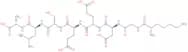
CAS:(5)6-Carboxyfluorescein is a fluorescent dye widely used in PCR methodologies, it is used to label the 5â end of oligonucleotides as a reporter in the presence of a quencher at the 3â end (dual labelled probe). During the amplification process, the dye is cleaved, and the fluorescence increases proportionally with the amount of the specific sequence amplified during the PCR process. The development of the fluorescence signal is therefore specifically related to the amplification of the target sequence. It is used to tag DNA and RNA for in vivo and in vitro applications, as well as for structural studies and RNA-protein interactions. 5(6)-Carboxyfluorescein with succinimidyl ester-activated carboxylic acids react with primary amines.Formel:C25H15NO9Reinheit:Min. 95 Area-%Farbe und Form:PowderMolekulargewicht:473.39 g/molDelicious peptide (bovine) trifluoroacetate
CAS:Delicious peptide (bovine) trifluoroacetate is a polymerase chain reaction probe that is complementary to the 3' end of the human insulin gene. When used in a polymerase chain reaction, it amplifies the DNA sequences at the 3' end of the gene. The product of this amplification has been shown to inhibit genetic disorders such as metabolic disorders, iron homeostasis, and leukemia. This agent also inhibits acidic fibroblast proliferation and pluripotent cells. This drug has been shown to have a molecular docking analysis with pharmacological agents and may be helpful in treatments for various diseases.Formel:C34H57N9O16•(C2HF3O2)xReinheit:Min. 95 Area-%Farbe und Form:PowderMolekulargewicht:847.87 g/molMetamizol sodium monohydrate
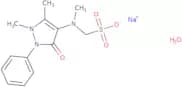
CAS:Metamizol sodium monohydrate is a nonsteroidal anti-inflammatory drug that is used as an analgesic and antipyretic. Metamizol sodium monerate is metabolized in the liver via cytochrome P450 (CYP) to form metamizole. It has been shown to inhibit chemiluminescence of polycyclic aromatic hydrocarbons using a dipyrone-treated biological sample, and the rate constant for this inhibition has been determined by the use of a chemiluminescence method. An analytical method for metamizol sodium monohydrate has also been developed using polymerase chain reaction (PCR) amplification of DNA sequences from human squamous cells, which can be used for forensic purposes. Metamizol sodium monohydrate has shown anti-inflammatory activity against rat paw edema and carrageenan-induced inflammation in rats, but it can cause side effects such as dizziness, drowsiness, headache, nausea,
Formel:C13H16N3O4S•H2O•NaReinheit:Min. 95%Molekulargewicht:351.36 g/molEotaxin (human)
CAS:Eotaxin is a human basic protein that belongs to the eosinophil cationic protein family. It stimulates the growth of cells and promotes tissue repair. Eotaxin also has a role in the immune response, as it is able to bind to and activate macrophages, neutrophils, and lymphocytes. Eotaxin is found in increased concentrations in inflammatory bowel disease (IBD), where it may play a role in the recruitment of inflammatory cells. The signal peptide sequence of eotaxin is cleaved by signal peptidase I and II during transit through the Golgi apparatus, yielding an active form that can be processed into mature eotaxin by several proteases. This active form can be detected by polymerase chain reaction (PCR) amplification of DNA isolated from human peripheral blood leukocytes or colonic biopsies. Eotaxin has been shown to have anti-inflammatory effects on both healthy tissues and those withFormel:C372H609N105O103S5Reinheit:Min. 95%Molekulargewicht:8,360.79 g/molFenhexamid
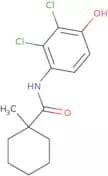
CAS:Fenhexamid is a fungicide that inhibits the growth of fungi by inhibiting the enzyme activities of ergosterol biosynthesis and mitochondrial function. It has been shown to inhibit the growth of wild-type strains of filamentous fungi, including species resistant to other antimicrobial agents. Fenhexamid has also been shown to have a low toxicity for mammals, with no adverse effects at sublethal doses. Analysis of fenhexamid in wastewater samples showed that it did not interfere with the polymerase chain reaction (PCR) amplification process or alter the matrix effect in agarose gel electrophoresis. Fenhexamid was also found to cause synchronous fluorescence when mixed with an organic solvent, glycol ether, which may be due to its ability to bind to DNA.Formel:C14H17Cl2NO2Reinheit:Min. 95%Molekulargewicht:302.2 g/mol